
Second Shift Studio Space 2026-27 Resident Artists
BO YOUNG AN (SHE/HER)
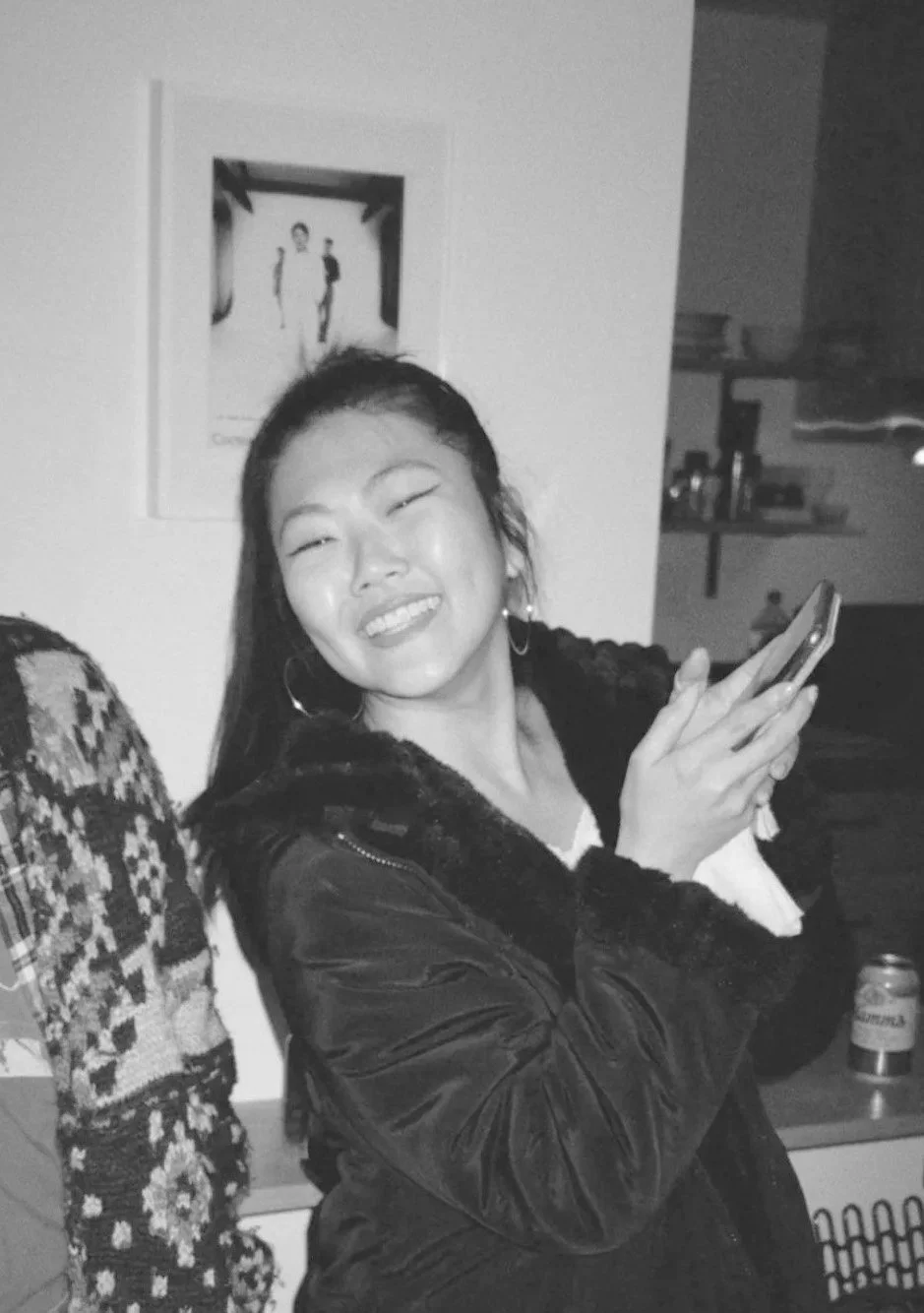
Bo Young An is a Korean-born, Thailand-raised, third-culture artist and curator whose ritualistic practices moves through layered inheritances shaped by migration and adaptation. Grounded in an interdisciplinary approach as she explores how memory, cultural continuation, and daily gestures of making become sites of stability within transience.
Her work considers the tension between nostalgia and progress, how tradition and culture is carried forward, adjusted, and made present through the body. Personal and collective memory anchors her work as her materials hold evidence of honoring tradition and carrying it forward. She examines how these themes play out on a personal scale, often drawing from her experience as a third-culture individual to reflect on how cultural hybridity shapes belonging and transformation as she leans into art’s capacity to hold space for contradictions and complexity.
She received her B.A. in Interdisciplinary Visual Arts from the University of Washington, Seattle, and her MFA from the Minneapolis College of Art and Design in 2022. Her work has been exhibited internationally in spaces in Korea, France, Spain, and the United States.
Bo Young An
CORRIE STECKELBERG (SHE/HER)
Corrie Steckelberg attended SAIC in 2008 until crippling loneliness and a near death experience threw her onto the path of popping out babies while emulating her role model Laura Ingalls Wilder, that is, building/living in a small cabin in the woods without running water or electricity.
Between 2016 and 2022 she received three Arrowhead Regional Arts Grants, a Minnesota State Arts Board Grant, a purchase award from De Vos Art Museum, two residencies at the Wassaic Project in Wassaic, New York and a residency at the Grand Marais Art Colony, Grand Marais MN. She Graduated with a BFA in Studio art in 2026 from the University of Minnesota, Twin Cities
EMILY MULVANEY (SHE/HER)
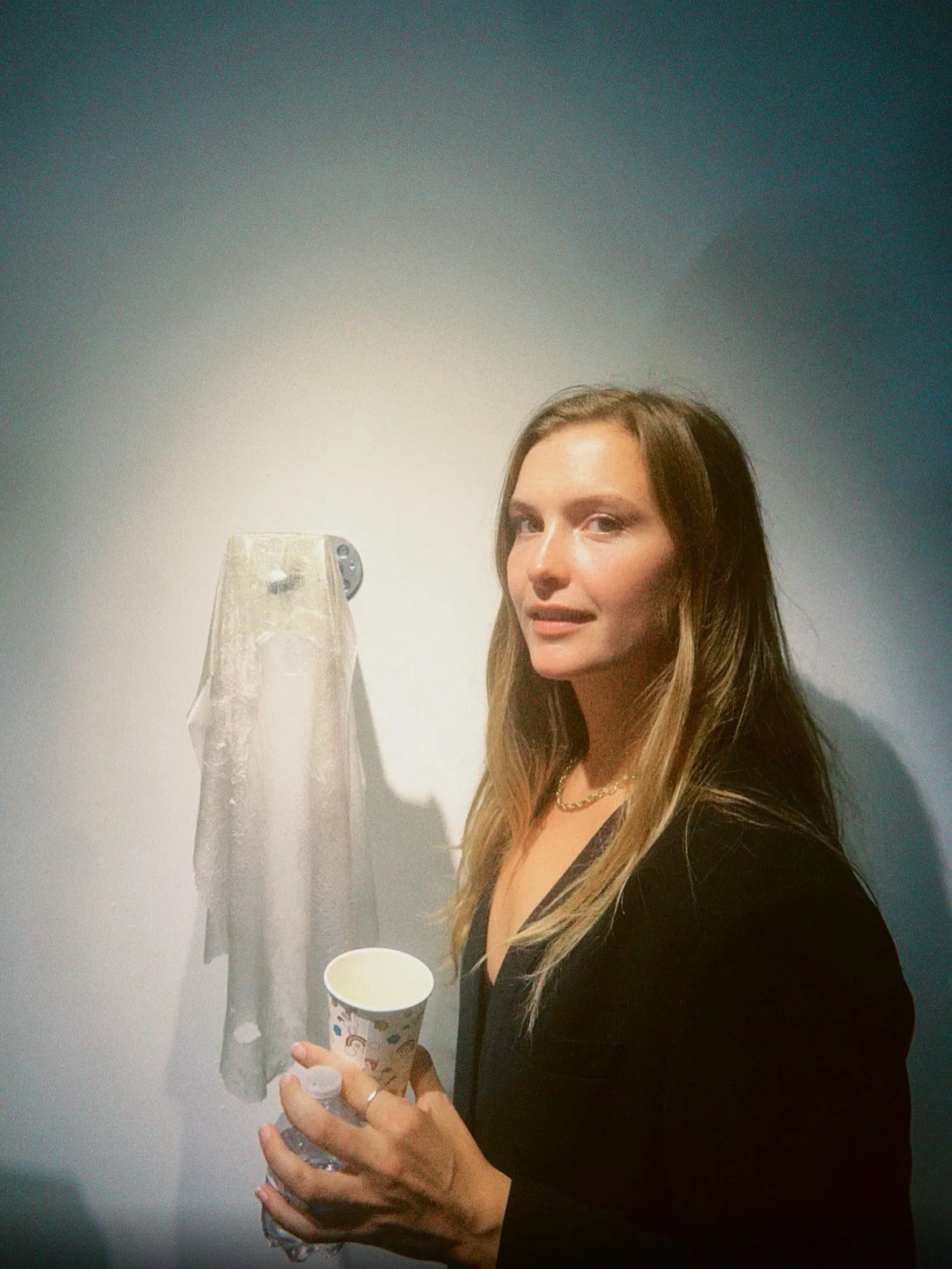
Emily Mulvaney (she/her) is a research-based artist living in Minneapolis. She received her BFA from NDSU in 2019 and her MFA in Sculpture from UMT in 2024. She was the 2024-2025 Lance Williams Art and Science Artist-in-Residence and Lecturer at the University of Kansas. Mulvaney has exhibited nationally at locations including the Mosesian Center for the Arts (MA) and Patterson-Appleton Arts Center (TX), and has work in private and public collections, including the Montana Museum of Art and Culture. In September 2025, she presented her debut solo exhibition, “Preservation of Bodies,” at Offsite Art Space (KS). She was an Artist-in-Residence with a full fellowship at the Vermont Studio Center in February 2026 and presented her research from “Preservation of Bodies” at the American Comparative Literature Association’s annual conference in Montreal, QB in March 2026.
GRACIELA DEANDA (SHE/HER)
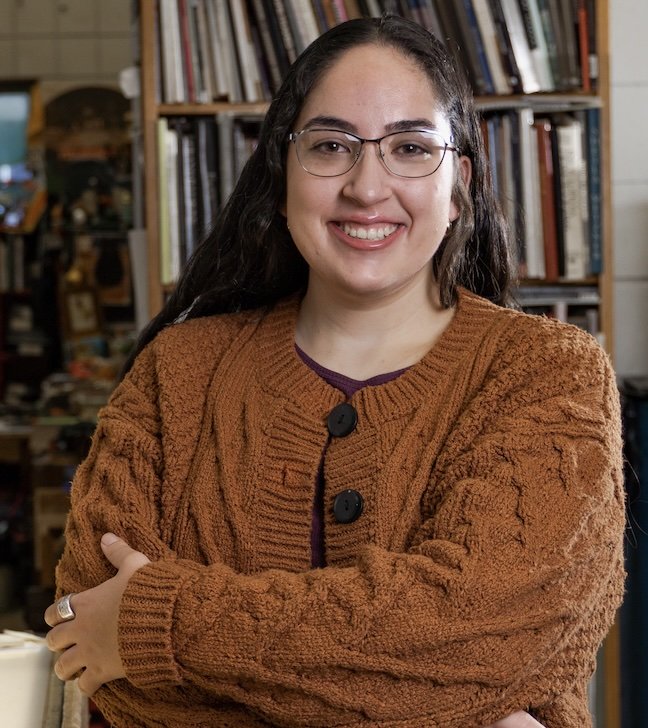
Graciela DeAnda is an interdisciplinary artist who blends photography and multimedia storytelling to explore themes of migration, memory, embodiment, and community. Through image-making, installation, cyanotype, wearable forms, textiles, sound, and material experimentation, their work examines how personal and collective histories are carried through bodies, objects, and place.
As the child of Mexican immigrants, DeAnda approaches each project with care and a sense of responsibility, honoring both lived experience and collective narratives. Their practice is rooted in storytelling as a form of preservation, investigating how memory is inherited, transformed, and held across generations.
Working across analog photography, traditional darkroom techniques, installation, and sculptural forms, DeAnda creates work that reflects on labor, resilience, and cultural inheritance while highlighting the beauty and complexity of often-overlooked communities. Through process-driven approaches and material exploration, their work asks what bodies carry, what histories remain embedded within us, and how creative practice can function as an act of remembrance and connection.
Central to DeAnda's practice is collaboration with immigrant communities, particularly Mexican and Latinx families, whose experiences of migration, labor, cultural preservation, and intergenerational memory inform much of their work. Through participatory projects, community engagement, and collaborative storytelling, they create spaces where personal narratives become part of larger conversations about belonging, identity, and collective care.
This collaborative approach transforms the artistic process into a shared act of storytelling, where memory, migration, identity, and belonging are explored not only as individual experiences but as collective histories that continue to shape families and communities across generations.